Timeline of Aging by Decade
Aging begins in your 20s as your cells and organs gradually lose resilience. Each decade brings specific changes: muscle and lung function, hormones, metabolism, and skin health decline in predictable stages. Proactive care can slow or even reverse many effects.
That might surprise you: most people assume aging doesn’t really kick in until their 40s or 50s. In reality, the process starts much earlier, quietly at a cellular level.
By your 20s, subtle changes are already underway:
- telomere shortening (which limits how often your cells can renew)
- oxidative stress (wear and tear from free radicals)
You usually don’t notice the impact until later when muscle loss, brain slowdown, and skin changes become more obvious. But the truth is, the groundwork has been laid for years.
This guide is designed to break it all down. We’ll move decade by decade, showing what’s happening inside your body and mind.
Along the way, you’ll get clear action steps and treatment options. Think smart exercise, balanced nutrition, skin rejuvenation, and even GLP-1 support for metabolism.
Together, these tools can help you stay healthier, stronger, and more confident at every stage of life.
How Aging Works in the Body
Why Our Bodies Age
Aging isn’t random. It’s the result of changes happening inside our cells every single day.
Cellular damage builds up. Exposure to oxidative stress, environmental toxins, UV rays, and even low-grade inflammation slowly wears on tissues.
Telomeres get shorter. These are the “caps” at the ends of DNA strands. Each time a cell divides, telomeres shrink. Once they’re too short, the cell can’t renew itself effectively.
Senescent cells linger. Instead of dying off, some damaged cells stick around. They release chemicals that fuel inflammation, which can weaken immunity, irritate joints, and even affect brain health.
Put simply, our bodies age because repair processes can’t keep up with daily wear and tear. The result is:
- slower healing
- stiffer joints
- changes we often don’t notice until later in life
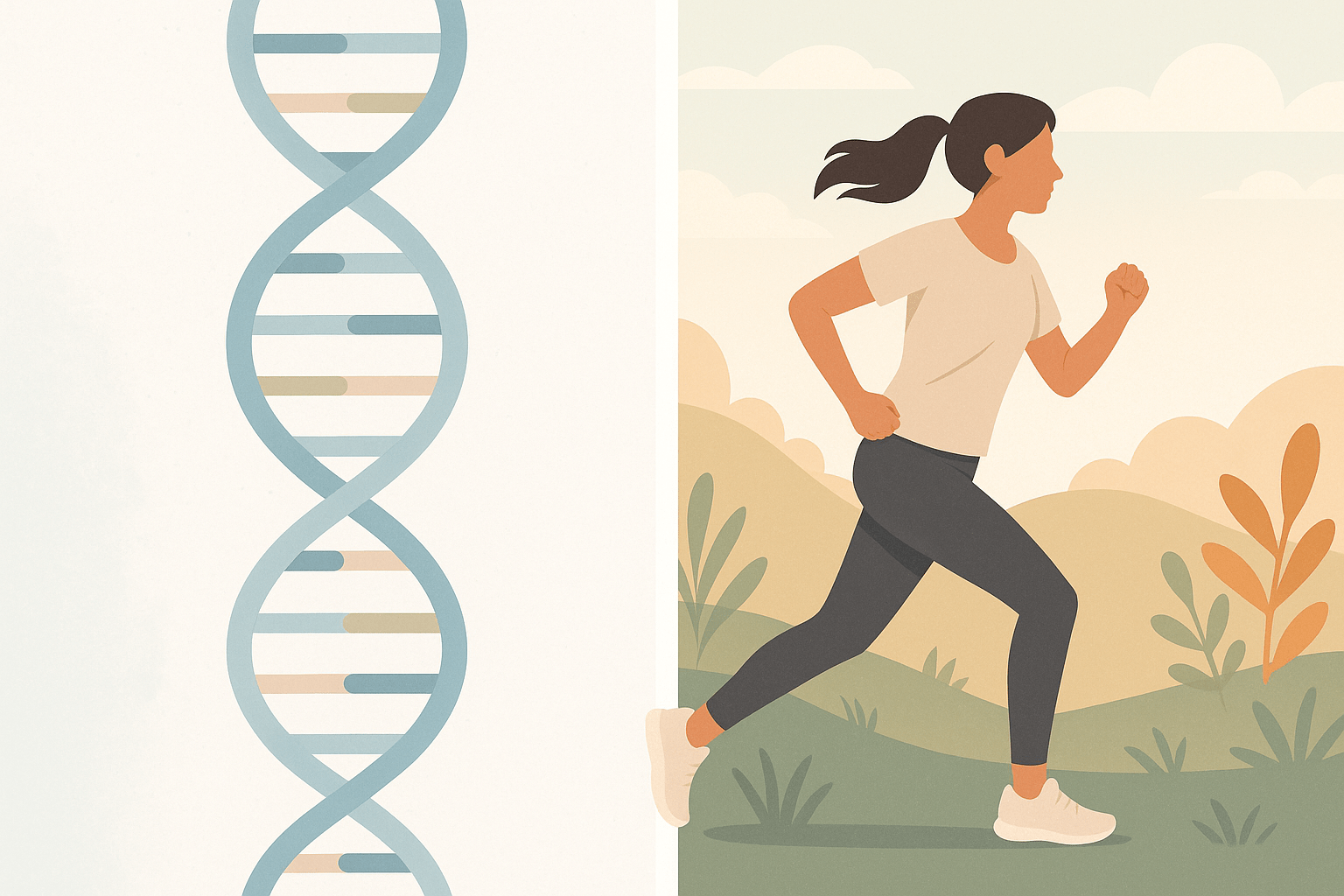
Genes vs. Lifestyle and How They Affect Aging
Genes matter, but they’re not the full story.
- Only 20–30% of longevity is genetic.
- The rest comes down to daily choices.
- Diet, exercise, sleep, and medical care play the largest role.
- Stress levels can speed or slow the process.
What this means: your lifestyle has far more power than your DNA. Two people with the same genes can age very differently depending on how they live.
Aging in Your 20s: Peak Resilience and Early Changes

Muscles, Bones & Metabolism
Your 20s are often your body’s strongest decade. Muscle power and bone mass hit their peak, and recovery after a tough workout is almost effortless. Metabolism runs high, keeping energy levels steady and making weight management easier.
But change is already starting. By your late 20s, metabolism begins to slow, and tiny shifts in spinal discs can even cause a millimeter or two of height loss. You won’t notice it yet, but these early changes set the stage for what’s ahead.
Hormones
Your 20s are the hormonal high point of life. Estrogen, progesterone, and testosterone sit at their lifetime peak. They fuel fertility, strong muscles, and steady energy.
These hormones influence much more than reproduction. They support faster recovery, better sleep, and even clearer skin, leaving most people feeling sharp and resilient.
Brain & Cognition
Neurogenesis, the brain’s ability to create new neurons, slows slightly in your 20s, but the brain remains sharp and adaptable. Focus and memory are strong, and mental performance typically feels effortless.
This is the time to set the mental habits that protect brain health long-term: quality sleep, ongoing learning, and time away from screens.
Skin & Hair
Collagen and elastin are at their highest levels, giving skin its natural glow and bounce. Hair is typically thick, healthy, and full of color.
Preventive care pays off here. Daily sunscreen and hydration help protect collagen for the decades ahead, delaying visible signs of aging.
Immune & Internal Health
The immune system is at its strongest in the 20s, keeping inflammation low and recovery fast. The exception: poor diet, alcohol, or lack of sleep can quickly erode that advantage.
Prioritizing rest and nutrition in this decade is like “banking health” for the future.
Quick Highlights in Your 20s
- Peak strength, bone mass, and metabolism
- Hormones at lifetime high
- Sharp focus and memory
- Glowing skin and healthy hair
- Immune system at its strongest
Action Steps in Your 20s
The habits you build in your 20s can pay off for decades. Focus on routines that protect your muscles, bones, skin, and sleep.
- Train smart. Mix strength, cardio, and mobility to build lasting resilience.
- Protect your skin. Daily SPF and antioxidant-rich foods slow collagen loss.
- Prioritize sleep. As Rick Meyers, FNP-BC, puts it: “Turn off screens an hour before bed to hit the 7 hours your body needs.”
Small, steady choices now create a foundation for healthy aging later.
Aging in Your 30s: Subtle Shifts Take Hold

Muscles, Bones & Metabolism
The 30s often feel strong and capable, but under the surface, change is accelerating. Metabolism slows further, which makes weight gain easier if habits don’t adjust.
Muscle mass naturally begins to decline during this decade. Without resistance training, most people lose about 3–8% per decade. Bones also start a gradual density decline, especially for women, which can raise the risk of fractures later in life.
Hormones
Hormone levels begin to shift in your 30s.
For men, testosterone slowly declines, which can affect energy, muscle maintenance, and recovery.
For women, progesterone dips first, sometimes bringing changes in mood, cycle regularity, and sleep.
The shifts are gradual, but they mark the beginning of hormonal changes that will become more noticeable in the 40s and beyond.
Brain & Cognition
In your 30s, the balance in the brain shifts. Cell death starts to outpace new cell growth, which makes focus a little harder than it used to be.
Add in constant distractions from screens, and many people notice lapses in attention or mental stamina. The brain is still sharp and capable, but it now takes more deliberate effort to stay fully engaged.
Skin & Hair
By your 30s, collagen production starts to slow by about 1% each year. This is when the first fine lines may show, especially around the eyes and mouth.
Skin renewal also takes longer, leaving it more vulnerable to sun damage and uneven texture. At the same time, hair may begin to thin or show early gray strands.
These changes are subtle at first, but they’re the earliest visible signs of aging.
Related: Does Botox Make Wrinkles Worse?
Action Steps in Your 30s
Small, steady changes in your 30s can keep you strong and slow early signs of aging.
- Lift and fuel. Add resistance training and a protein-rich diet to protect muscle and bone.
- Protect your skin. Consider IPL photofacials to treat early pigmentation and sun damage.
- Prioritize recovery. Consistent sleep and stress management support both brain and immune health.
Quick Highlights in Your 30s
- Metabolism slows; weight is easier to gain
- Muscle mass begins to drop without training
- Bone density starts a gradual decline, especially for women
- Hormone levels shift: testosterone and progesterone dip
- Focus and attention feel harder to maintain
- Collagen loss means early fine lines
- Hair thinning and grays may appear
- Consistent exercise, protein, SPF, and quality sleep protect long-term health
Aging in Your 40s: The Biological Turning Point

Muscles, Bones & Metabolism
Your 40s mark a real shift in how the body works. Around age 44, researchers describe a molecular “turning point” when metabolism, cardiovascular markers, and even alcohol tolerance begin to change.
Muscle mass and strength decline faster in this decade if resistance training isn’t part of your routine. At the same time, fat begins to redistribute. Women often notice more abdominal fat as estrogen drops, while men experience similar changes with testosterone decline.
These shifts can feel frustrating, but they’re not inevitable. With the right lifestyle and support, you can stay strong and prevent much of the midlife slowdown.
Brain & Cognition
Mental sharpness is still strong in your 40s, but subtle changes start to show. Word recall becomes slower, and multitasking isn’t as effortless as it once was.
About one in three adults also reports dips in motivation, sometimes described as anhedonia. It’s a reduced sense of drive or reward from daily activities. These changes don’t mean decline is inevitable, but they do highlight the importance of brain-friendly habits like regular sleep, movement, and ongoing learning.
Skin
By your 40s, wrinkles deepen as collagen and elastin production drop. Skin cell turnover also slows, leaving the complexion duller and less vibrant than in earlier decades.
These changes are gradual but noticeable. Consistent skincare, sun protection, and targeted treatments can help restore brightness and maintain firmness.
Immune & Internal
In your 40s, a process called inflammaging begins. This is a state of low-level, chronic inflammation that gradually stresses the body. Over time, it can accelerate conditions like joint stiffness, heart disease, or metabolic issues.
You may not feel obvious symptoms yet, but these hidden shifts make prevention and regular health checkups more important than ever.
Action Steps in Your 40s
Your 40s are the decade to double down on healthy routines and add targeted support where needed.
- Refine your habits. Cut back on alcohol, improve diet quality, and focus on gut health.
- Stay active. Strength, cardio, and flexibility training are essential for muscle, bone, and heart health.
- Support your skin. Consider Botox, dermal fillers, or skin resurfacing to reduce deeper lines and restore brightness.
- Check hormones. If fatigue or slower recovery persists despite good habits, talk to your provider about hormone support. Options like Sermorelin are often introduced after 40 to improve sleep, energy, and recovery.
Quick Highlights in Your 40s
- Molecular “turning point” around age 44
- Faster muscle and strength decline without training
- Fat redistributes, especially in the abdomen
- Word recall slows; multitasking feels harder
- Motivation dips in about 1 in 3 adults
- Wrinkles deepen; skin tone dulls
- Inflammaging begins, raising risk for chronic conditions
- Exercise, diet, hormone checks, and skin treatments help counter changes
Aging in Your 50s: Hormones, Heart, and Bone Health
Muscles, Bones & Metabolism
The 50s bring more noticeable changes to strength and structure. Bone density loss accelerates, making fractures a major risk; about 1 in 2 women and 1 in 5 men over 50 experience them.
Resting metabolism also slows during this decade, meaning your body needs fewer calories than before. Without adjustments in diet and activity, weight gain can happen more quickly.
Hormones
For women, the 50s often bring menopause, with the average age around 51. Estrogen levels drop sharply, triggering hot flashes, mood changes, and an increased risk of bone loss.
For men, testosterone continues its gradual decline. This can make it harder to maintain muscle, energy, and libido.
These hormonal changes are normal, but they can affect daily comfort and long-term health if left unsupported.
Brain & Cognition
In your 50s, mental performance is still strong, but subtle changes become more noticeable. Processing speed slows, and mild memory lapses are common.
At the same time, research is uncovering encouraging possibilities. New findings suggest potential therapies that may help reverse aspects of brain aging.
While these treatments are still in development, lifestyle choices like sleep, learning, and regular exercise remain the most reliable way to protect brain health now.
Skin
By the 50s, the skin shows more dramatic changes. As both collagen and estrogen levels drop, skin becomes thinner and less elastic. This often leads to sagging, more pronounced wrinkles, and slower healing from everyday damage.
Consistent skincare, sun protection, and treatments that stimulate collagen can help maintain firmness and texture through this decade.
Action Steps in Your 50s
Your 50s are the decade to stay proactive. Regular screenings and supportive therapies can make a big difference in health and quality of life.
- Get checked. Schedule annual bone density and heart screenings to catch changes early.
- Move with purpose. Weight-bearing exercise, plus calcium and vitamin D, helps protect bones.
- Care for your skin. Treatments like microneedling and skin resurfacing maintain firmness and texture.
- Ask about hormone support. Sermorelin therapy may be recommended after 40 to boost natural growth hormone production. It can improve sleep, energy, body composition, and recovery, and is considered a safe, FDA-approved option for healthy aging.
Quick Highlights in Your 50s
- Bone density loss accelerates; fracture risk rises
- Resting metabolism slows; calorie needs drop
- Menopause brings estrogen crash; testosterone decline continues in men
- Processing speed slows; mild memory lapses more common
- Skin thins and sags as collagen and estrogen wane
- Annual screenings, smart nutrition, and targeted treatments support resilience
Aging in Your 60s: Rapid Shifts in Resilience

Muscles, Bones & Metabolism
By the 60s, physical changes become harder to ignore. Muscle atrophy accelerates, making strength and mobility more difficult to maintain without regular exercise.
Bone mineral loss also speeds up, raising fracture risk from even minor falls. At the same time, metabolism continues to slow, and your body needs fewer calories to function.
These shifts don’t have to mean frailty. Consistent training and smart nutrition remain powerful tools for protecting muscle, bone, and metabolic health.
Skin
In your 60s, the skin becomes more fragile. It thins, dries out, and bruises more easily as protective layers weaken and blood vessels sit closer to the surface. Sweat glands also become less active. This makes it harder to regulate temperature.
Moisturizers, gentle skincare, and sun protection are key in this decade. Treatments that boost hydration and collagen can also help preserve texture and resilience.
Brain & Cognition
By the 60s, the brain naturally slows a bit. Recall and multitasking may take longer, but these changes are usually mild.
The good news: mental stimulation makes a difference. Learning new skills, social engagement, and regular activity help preserve sharpness and protect long-term brain health.
Senses
Changes in the senses are common in the 60s. Presbyopia, age-related farsightedness, often requires reading glasses. Hearing also declines, especially in higher frequencies, making conversations in noisy settings more difficult.
Regular eye and hearing exams can catch these changes early and help preserve independence and quality of life.
Action Steps in Your 60s
Healthy habits in your 60s focus on maintaining strength, balance, and resilience.
- Stay active. Prioritize strength and balance training to lower fall risk.
- Support metabolism. GLP-1 injections or semaglutide treatment can help with weight and metabolic health.
- Care for your skin. Daily moisturizers and treatments like facial contouring protect skin health without surgery.
Quick Highlights in Your 60s
- Muscle atrophy accelerates
- Bone mineral loss raises fracture risk
- Metabolism slows; fewer calories needed
- Skin thins, dries, and bruises more easily
- Recall and multitasking slow mildly
- Presbyopia and hearing decline are common
- Strength, balance, and targeted care preserve resilience
Aging in Your 70s: Mobility and Flexibility Focus

Muscles, Bones & Joints
In your 70s, strength and flexibility require more attention. Muscle strength and size continue to decline, and tendons stiffen, making movement less fluid.
Height loss also becomes more noticeable. As spinal discs flatten, many people shrink 1–3 inches. Bone density keeps dropping, which further raises the risk of fractures from falls or injuries.
Staying active and focusing on mobility training can make a major difference in maintaining independence through this decade.
Brain & Cognition
By the 70s, it’s normal to notice slower processing and recall. These changes are part of healthy aging and don’t necessarily signal decline.
The key is mental activity. Lifelong learning, social engagement, and hobbies help preserve brain function and keep memory sharper for longer.
Action Steps in Your 70s
Daily habits in your 70s should focus on movement, safety, and connection.
- Keep moving. Maintain light daily exercise and balance training to preserve strength and stability.
- Check your senses. Regular vision and hearing exams help prevent falls and support independence.
- Stay connected. Social engagement is just as critical for mental health as physical activity.
Quick Highlights in Your 70s
- Muscle strength and size decline; tendons stiffen
- Spinal discs flatten, leading to 1–3 inches of height loss
- Bone density keeps dropping, raising fracture risk
- Processing and recall slow, but mental activity preserves function
- Light daily exercise and balance training reduce fall risk
- Regular vision and hearing checks support safety
- Social connection protects mental health
Aging in Your 80s: Strength, Skin, and Independence

Muscles, Bones & Heart
In your 80s, movement and circulation change more noticeably. Muscle strength and balance weaken, which increases the risk of falls. Arteries also stiffen further, putting more strain on the heart.
Joint stiffness and arthritis are also more common, making daily activities harder without regular movement and support. Gentle exercise and flexibility work remain essential to maintaining independence.
Brain
In the 80s, recall naturally slows, and it may take longer to process information. Still, most older adults are able to maintain cognitive independence.
The difference often comes from lifestyle. Mental stimulation, social interaction, and staying physically active all help preserve function and protect quality of life.
Skin & Internal Health
By the 80s, skin becomes fragile and bruises more easily. Healing also slows, making even minor cuts take longer to heal.
The immune system weakens during this decade, which raises the risk of infections. Preventive care, good nutrition, and staying current on vaccines become especially important.
Action Steps in your 80s
- Keep moving. Gentle daily activity maintains mobility and reduces stiffness.
- Protect skin. Moisturize regularly and treat skin with extra care to avoid tears and bruises.
- Support immunity. Eat nutrient-dense foods and stay current with recommended vaccines.
- Stay social. Regular connection with friends, family, or community supports brain and emotional health.
Quick Highlights in Your 80s
- Muscle strength and balance weaken; arteries stiffen further
- Joint stiffness and arthritis are more common
- Slower recall, but cognitive independence is often maintained
- Skin is fragile; healing takes longer
- Immune system is weaker, raising infection risk
- Gentle activity, nutrition, vaccines, and social connection protect resilience
Aging in Your 90s: Maximizing Independence

Muscles & Bones
In the 90s, sarcopenia (severe muscle loss) becomes a major concern, limiting mobility and increasing fall risk. Bones are also highly fragile in this decade, with even minor falls leading to fractures.
Strength training, balance work, and home safety adjustments can make a big difference in preserving independence.
Lungs & Heart
By the 90s, breathing becomes less efficient as lung tissue loses elasticity. This makes physical activity feel more tiring, even at a slower pace.
The heart also works harder as arteries stiffen, raising the importance of gentle exercise, balanced nutrition, and regular medical monitoring.
Action Steps in Your 90s
- Prevent falls. Home modifications and light strength work are critical to safety.
- Keep moving. Gentle daily activity helps preserve mobility and independence.
Quick Highlights in Your 90s
- Severe muscle loss (sarcopenia) limits mobility and increases fall risk
- Bones are highly fracture-prone
- Decreased lung elasticity makes breathing less efficient
- Heart works harder as arteries stiffen
- Fall prevention and daily movement are key to maintaining independence
The Future of Aging

Research into longevity is moving quickly, and the coming decades may change how we understand aging. Scientists are studying senolytics, drugs that clear damaged cells, and epigenetic reprogramming, which may reset parts of our biology to a more youthful state.
Tools like brain-aging clocks are also being developed to measure how quickly the brain is aging, with early studies suggesting ways to slow or even reverse certain changes.
On the medical front, medications like Metformin and Rapamycin (already used for other conditions) are showing promise for extending healthy lifespan in humans.
While these breakthroughs are still in progress, they highlight a hopeful truth: aging may be more adaptable than we once thought.
Key Takeaways
- Aging begins earlier than most realize, with changes starting in the 20s.
- Each decade brings predictable shifts in muscle, hormones, metabolism, brain, and skin.
- Lifestyle choices (exercise, nutrition, sleep, stress management) play a bigger role than genetics.
- Preventive care, regular screenings, and targeted treatments can slow or even reverse many effects.
- Functional Wellness & Aesthetics helps Salem locals create customized plans for every stage of life, from skin health to metabolic support.
Frequently Asked Questions About Aging
What are the five stages of aging?
The five stages are often described as independence, interdependence, dependency, crisis management, and end-of-life. They reflect how health, mobility, and support needs shift over time.
What are the periods of aging?
Healthcare providers often break aging into young-old (65–74), middle-old (75–84), and old-old (85+). Each stage brings different health priorities.
What are the 7 tenets of aging?
Scientists point to seven key processes that drive aging: genomic instability, telomere shortening, epigenetic changes, protein breakdown, nutrient sensing changes, mitochondrial decline, and stem cell exhaustion. Together, these explain why organs and tissues lose strength over time.
What are the 12 signs of aging?
The most common signs include fine lines, wrinkles, sagging, dryness, dullness, uneven tone, age spots, enlarged pores, reduced elasticity, visible veins, thinner skin, and slower healing.
What are the first signs of aging?
Early changes often appear in the late 20s or early 30s. Fine lines near the eyes, subtle dullness, slower recovery after exercise, and mild energy dips are typical.
Am I aging at 30?
Yes, but gently. Biological aging begins in your 20s. By 30, most people only notice slower recovery, slight energy changes, and early fine lines.
What is the best thing for anti-aging?
The best foundation is consistent habits: strength training, cardio, 7–8 hours of sleep, a whole-food diet, daily SPF, and routine checkups.
What is the best form of anti-aging?
The most effective approach blends lifestyle with treatments. That means healthy routines plus options like Botox, microneedling, and GLP-1 injections for weight and metabolism.
Does anti-aging really work?
Yes. While we can’t stop time, lifestyle and treatments can slow or reverse specific changes, such as collagen loss, muscle decline, and metabolic slowdown.
At what age should I start anti-aging?
Experts suggest starting in the mid-to-late 20s. SPF, sleep, and exercise come first. Preventive treatments like IPL photofacials or early Botox can help in the 30s.
Can you reverse aging in the brain?
Emerging research shows promise. Studies suggest compounds may reverse aspects of brain aging, but for now, sleep, learning, and exercise remain key.
Why does skin age faster than the rest of the body?
Skin is constantly exposed to the sun, pollution, and temperature changes. This accelerates collagen breakdown and DNA damage, making aging more visible earlier.
Can lifestyle outweigh genetics in aging?
Yes. Genetics only accounts for about 20–30% of longevity. Exercise, diet, sleep, and preventive care play a much bigger role.
Do treatments like Botox or microneedling actually slow aging?
They don’t stop biology, but treatments like Botox, dermal fillers, and microneedling can restore collagen, smooth lines, and prevent deeper wrinkles, helping you look and feel younger longer.