Key highlights
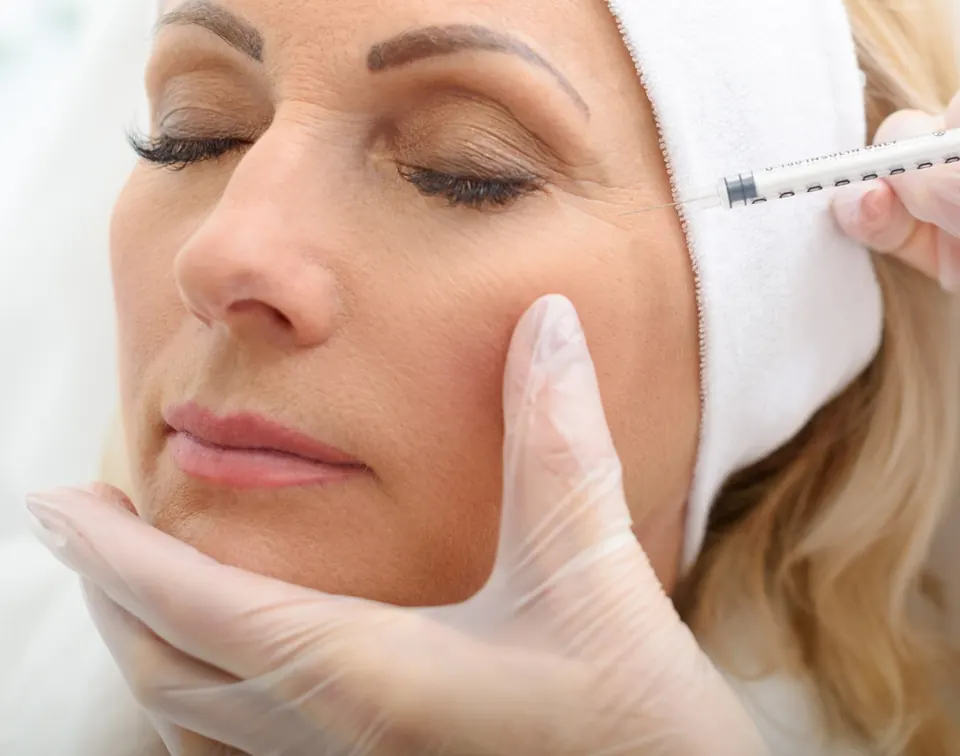
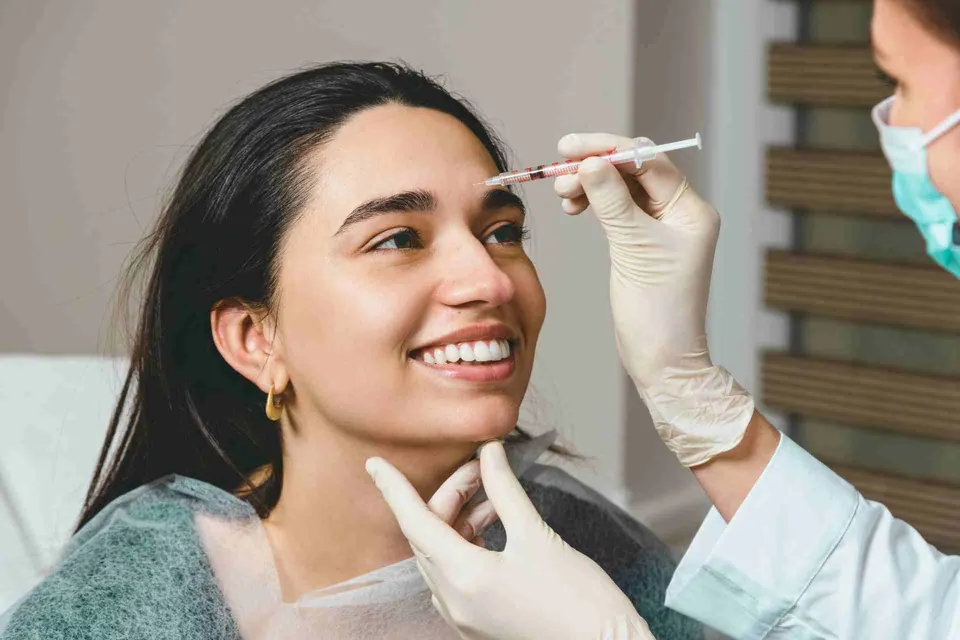
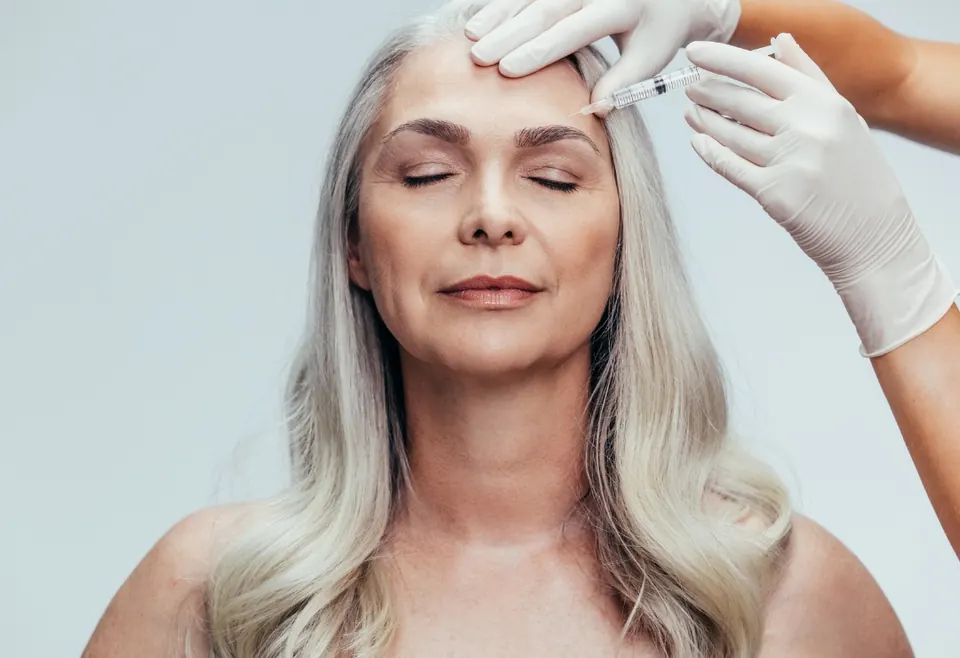
- Botox and Dysport are both botulinum toxin type A injections that relax the muscles behind expression lines.
- The labeled frown line dose is 20 units of Botox Cosmetic or 50 units of Dysport.
- Both FDA labels state that units of one product cannot be converted into units of the other.
- Botox Cosmetic is labeled for 4 cosmetic areas, and Dysport is labeled for frown lines in adults under 65.
- Botulinum toxin injections average \$435 in the United States, according to the American Society of Plastic Surgeons.
Botox and Dysport are botulinum toxin type A injections, and the labeled frown line dose is 20 units of Botox or 50 units of Dysport. The larger number is easy to read as a stronger dose. Each brand measures its units with its own test, so at our Salem office we compare what a treatment does and what the total costs.
What is the difference between Botox and Dysport?
Botox and Dysport share the same type of active ingredient, botulinum toxin type A, and differ in how each is measured, where each is labeled for use, and who can receive it.
Botox Cosmetic is onabotulinumtoxinA, made by AbbVie. Dysport is abobotulinumtoxinA, made by Ipsen and distributed in the United States by Ipsen and Galderma. Both relax a targeted muscle for a few months by blocking the nerve signal that tells the muscle to contract.
For frown lines, the Dysport label calls for 50 units split across five injection points, and the Botox Cosmetic label calls for 20 units across the same five points.
Six assumptions about the two products are common, and the labels answer each one.
| What people assume | What is true |
|---|---|
| Botox and Dysport are different kinds of drug | Both are botulinum toxin type A |
| 50 units of Dysport is a bigger dose than 20 units of Botox | Each number is the labeled frown line dose of its own product |
| An official conversion ratio exists | Both FDA labels say units cannot be converted between products |
| Dysport is cheaper because the unit price is lower | The total price for the treated area is the comparison that holds |
| One of the two clearly lasts longer | Labeled duration is approximately 3 to 4 months for Botox and up to 4 months for Dysport |
| Both are approved for the same areas | Botox Cosmetic has 4 labeled cosmetic areas, and Dysport has 1 |
How many units of Dysport equal one unit of Botox?
Dysport and Botox units have no official conversion, because each manufacturer measures potency with its own laboratory test. Both FDA labels state that units of one product cannot be compared to or converted into units of any other botulinum toxin.
The 2.5 to 1 and 3 to 1 ratios quoted across the internet come from clinical practice and from the doses used in trials. Trials that pair 50 units of Dysport against 20 units of Botox work out to 2.5 to 1. Injectors treat a ratio like that as a starting point and then adjust to the muscle in front of them.
Shoe sizes work the same way. A size 9 in one brand fits like a 9.5 in another, and no official chart exists between the two, so you try the shoe on. An injector does the equivalent by watching how your face moves and choosing a dose for that specific product.
Why does a Dysport quote show more units than a Botox quote?
A Dysport quote shows more units because Dysport is dosed on its own scale. The labeled dose for the same frown lines is 50 units of Dysport against 20 units of Botox. Comparing the two counts tells you nothing about strength, so ask each practice for the total price of the area being treated.
Does Dysport work faster than Botox?
Dysport and Botox both begin working within the first few days, and the published evidence shows no large gap between them.
The Botox Cosmetic label states that muscle relaxation typically begins one to two days after injection and builds through the first week. In a phase 3 trial of Chinese patients with moderate to severe frown lines, Dysport had a median onset of 2.0 days and was judged non-inferior to Botox at the doses compared, 50 units and 20 units.
Some patients report that one brand "kicks in faster" for them. Individual response varies, and a one-day head start rarely changes a treatment plan. The effect is still building during week one, so the first few days are too early to judge a result.
Anyone treating ahead of a wedding or a reunion should schedule well in advance with either product.
Does Dysport last longer than Botox?
Neither product has been shown to reliably outlast the other, and both labels describe an effect measured in months.
The Botox Cosmetic label puts the duration for frown lines at approximately 3 to 4 months. The Dysport label says the effect may last up to 4 months. At 120 days in the trials reported on the two labels, investigators rated frown lines as none or mild in 25% of Botox patients, and in 23% and 29% of Dysport patients across two Dysport trials.
The Botox and Dysport figures come from separate trials with different patients, so the numbers show a shared pattern and cannot settle which product wins. A 2021 Cochrane review of botulinum toxin for facial wrinkles found the trials too varied to combine and called for studies that compare the common products directly, with duration of effect among the gaps it named.
Lines return gradually as the muscle regains movement, which we cover in what happens when you stop Botox.
Is Dysport cheaper than Botox?
A lower price per unit does not make Dysport cheaper, because the same treatment uses more Dysport units than Botox units.
The American Society of Plastic Surgeons reports an average cost of \$435 for botulinum toxin injections. ASPS gives one figure for the whole category, covering Botox, Dysport, and the other brands together.
Consider two quotes for the same frown lines. One practice quotes 20 units of Botox at a higher unit price, and another quotes 50 units of Dysport at a lower unit price. Multiply each out and the totals can land close together. The unit price on a website or a flyer shows only half of that sum.
Ask every practice for the total for the area, and ask which product the quote covers.
Functional Wellness & Aesthetics quotes Botox after a free consultation, since the dose depends on how strong the muscle is and how many areas you want treated.
Why do practices price by the unit?
Practices price by the unit because the dose differs from one face to the next. Stronger muscles and larger areas need more product, so a flat price would overcharge some patients and undercharge others. A per-unit quote only helps when you know the product and the planned number of units, so ask for both along with the total.
Are Botox and Dysport approved for the same areas?
Botox Cosmetic has four labeled cosmetic uses and Dysport has one.
Botox Cosmetic is labeled for frown lines, crow's feet, forehead lines, and platysma bands (the vertical bands of the neck) in adults. Dysport's cosmetic labeling covers frown lines in adults under 65.
Providers also use both products in areas outside the labeling, which is a clinical decision made by the prescriber. A lip flip is one example, with a small dose placed above the upper lip, outside the labeled uses of either brand. Off-label treatment puts more weight on the injector's training and on a plain conversation about what the evidence does and does not cover.
Who should not have Dysport?
The Dysport label lists allergy to cow's milk protein as a contraindication, because the product may contain trace amounts of it. The Botox Cosmetic label does not list cow's milk protein. Both labels exclude anyone with a known allergy to a botulinum toxin product or an infection at the injection site. Tell your provider about every allergy at the consultation.
Are the side effects of Botox and Dysport the same?
Botox and Dysport share a boxed warning and a similar list of side effects. Both labels warn that toxin effects can spread beyond the injection site and cause trouble swallowing or breathing, which needs immediate medical care. In separate frown line trials, eyelid drooping was reported in 3% of Botox patients and 2% of Dysport patients.
Red flags:
- A provider who will not name the product in the syringe
- A price far below every other quote in your area
- A visit with no review of your medical history, allergies, or medications
- Treatment offered outside a licensed clinical setting
Rick Meyers, FNP-BC, performs the Botox treatments at Functional Wellness & Aesthetics and reviews each patient's health history at the consultation.
The dose and the price both depend on the muscles being treated, and that takes a look in person.
Ask what Botox would cost for youFree consultation. Rick assesses your muscles and your goals, then gives you a number.
How do you choose between Botox and Dysport?
Choose on four things: your allergy history, the area you want treated, what you have had in the past, and the person holding the syringe.
Allergy history can settle the question alone, since a cow's milk protein allergy rules out Dysport. The treatment area matters because the two labels cover different ground.
Your own record counts too. A patient with steady results from one product has a known dose and a known response. Both labels also caution that the effect of giving different botulinum toxin products within several months of each other is unknown.
Both labels state that the person injecting must understand the facial anatomy involved, so the assessment matters with either brand. We offer Botox injections in Salem, and Rick evaluates your goals and medical history first. He brings nearly 30 years of medical experience to that assessment and will tell you when a smaller dose, or none, is the better call.
The right product and dose depend on your muscles, your history, and your goals.
We will walk through your options at a free consultation in our Salem office.
Call 503-991-8549
TL;DR
- Botox and Dysport are both botulinum toxin type A, made by different companies.
- The labeled frown line dose is 20 units of Botox or 50 units of Dysport, and both labels say units cannot be converted.
- Botox Cosmetic is labeled for frown lines, crow's feet, forehead lines, and platysma bands. Dysport is labeled for frown lines in adults under 65.
- Labeled duration is approximately 3 to 4 months for Botox and up to 4 months for Dysport, with no reliable winner in comparative evidence.
- Compare the total price for the area, and tell your provider about any cow's milk protein allergy.
Frequently asked questions
Can you switch from Botox to Dysport?
Switching is a decision for your provider, who sets a fresh dose for the new product instead of converting the old one. Both labels note that the effect of giving different botulinum toxin products within several months of each other is unknown. Tell your provider which product you last received and when.
Is there an age limit for Dysport?
Dysport is labeled for frown lines in adults under 65. In its frown line trials, 8 participants were 65 or older, and the label reports that efficacy was not observed in that group. Neither product is recommended for anyone under 18. A provider can advise patients over 65 on their options.
How often can Botox or Dysport be repeated?
The Dysport label says treatment should be given no more often than every 3 months. The Botox Cosmetic label notes that dosing more often than every 3 months has not been clinically evaluated. Your provider times the next visit by how your muscle movement returns, which differs between patients.
How do Xeomin, Jeuveau, and Daxxify compare?
Xeomin, Jeuveau, and Daxxify are also botulinum toxin injections, and the American Society of Plastic Surgeons lists them alongside Botox and Dysport as common examples. Each has its own units, dosing, and labeling. Across all five brands, compare the treatment plan and the total price.

About the author
Rick Meyers, FNP-BC
Functional Wellness & Aesthetics publishes this guide for general education, and the guide is not medical advice. Product labeling changes, and the right treatment depends on your health history and goals. Talk with a licensed provider about what is appropriate for you.