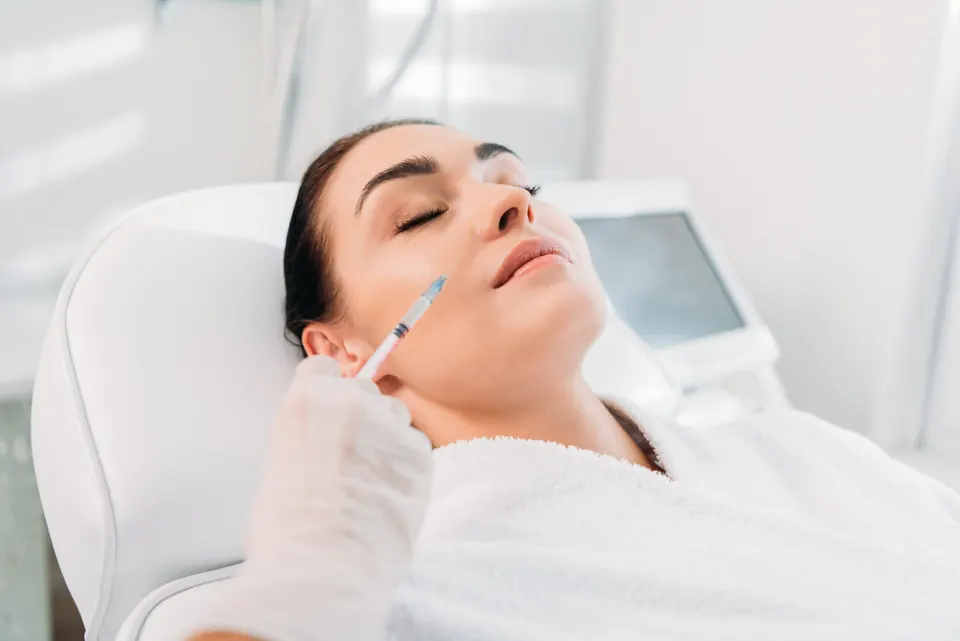
Key highlights
- PRF microneedling combines microneedling with Platelet-Rich Fibrin (PRF), a concentration of your own blood's growth factors.
- PRF is drawn from your own blood and spun gently with no anticoagulants, releasing growth factors more slowly than PRP.
- It treats fine lines, acne scars, under-eye crepey skin, enlarged pores, sun damage, and early skin laxity.
- Since PRF is autologous, the risk of allergic reaction is extremely low.
- Most patients need a series of 3 treatments spaced about 4 weeks apart, with collagen production continuing for months.
If you've been researching skin rejuvenation treatments, you may have come across PRF microneedling and wondered what makes it different from traditional microneedling or PRP.
PRF microneedling is a skin rejuvenation treatment that combines microneedling with Platelet-Rich Fibrin, a natural concentration of your body's own growth factors, to stimulate collagen, improve texture, and enhance overall skin quality. At Functional Wellness & Aesthetics, this treatment is recommended for patients who want natural, regenerative results without synthetic fillers.
First, What is Microneedling?
Microneedling uses a medical device with tiny, controlled needles to create micro-injuries in the skin. These controlled injuries trigger your body's healing response, which increases collagen production, elastin formation, and cellular turnover.
Over time, this improves fine lines, acne scars, enlarged pores, skin texture, and overall firmness.
What is PRF?
PRF stands for Platelet-Rich Fibrin. It's derived from your own blood. A small sample is drawn, then spun at a low speed in a centrifuge. This process separates out a concentration of platelets, white blood cells, growth factors, and fibrin matrix.
Unlike PRP, PRF is spun more gently and contains no anticoagulants. That means it releases growth factors more slowly and naturally over time.
How PRF Microneedling Works
- A small blood draw is performed.
- The blood is processed to isolate PRF.
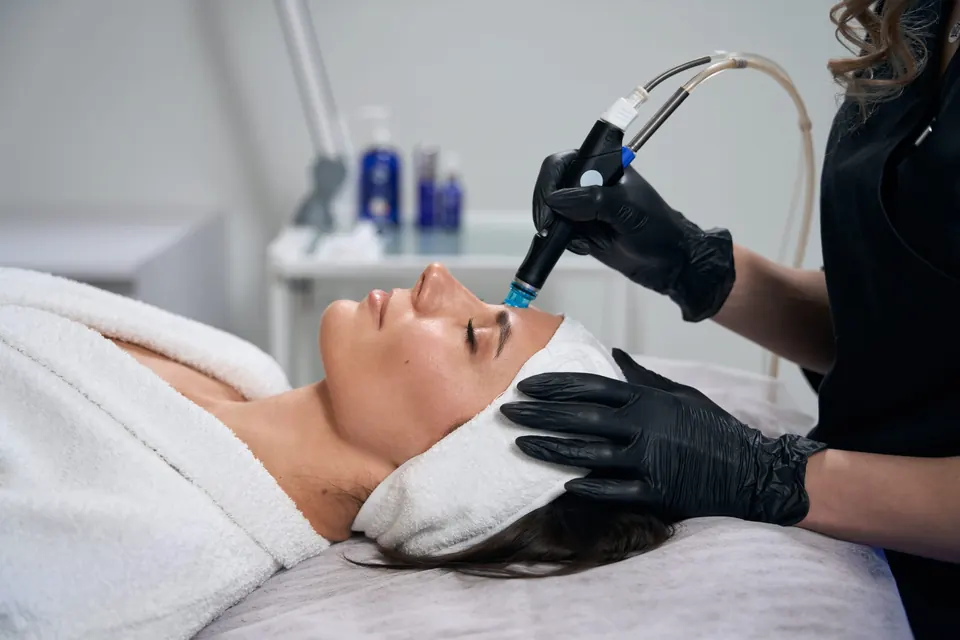
- Microneedling creates microchannels in the skin.
- PRF is applied and absorbed through those channels.
The microchannels allow the growth factors to penetrate deeply, amplifying collagen stimulation and tissue regeneration. Think of it as microneedling upgraded with your body's own healing power.
What Makes PRF Microneedling Different?
Traditional microneedling relies only on the body's healing response. PRF microneedling enhances that response by delivering concentrated growth factors directly into the treatment area.
- More natural collagen stimulation
- Improved healing time
- Enhanced skin rejuvenation
- Gradual, longer-lasting results
Because PRF comes from your own body, it's ideal for patients looking for a holistic or regenerative approach.
What Does PRF Microneedling Treat?
- Fine lines and wrinkles
- Acne scars
- Under-eye crepey skin
- Enlarged pores
- Sun damage
- Uneven tone and texture
- Early skin laxity
It can also be used on the neck, décolletage, and other areas where collagen support is needed.
Is PRF Microneedling Safe?
Yes, when performed by a trained professional. Since PRF is autologous, meaning it comes from your own blood, the risk of allergic reaction is extremely low.
The most common side effects include redness, mild swelling, and temporary sensitivity. Most patients experience redness for 24 to 72 hours, similar to a mild sunburn.
How Many Treatments Do You Need?
For best results, most patients benefit from a series of 3 treatments spaced about 4 weeks apart. Collagen production continues for several months after each session, so results are gradual rather than changing overnight.
PRF Microneedling vs PRP Microneedling
| Feature | PRF | PRP |
|---|---|---|
| Processing Speed | Low-speed spin | Higher-speed spin |
| Additives | No anticoagulants | Contains anticoagulants |
| Growth Factor Release | Slower, sustained | Faster, shorter burst |
| Regenerative Focus | Stronger fibrin matrix | Higher platelet concentration |
PRF is often considered a more advanced evolution of PRP because of its sustained release properties.
Not sure whether this fits your recovery?
A straight conversation beats a checkout cart. Bring your questions to a licensed provider who knows the current evidence and the current law.
TL;DR
- PRF microneedling combines microneedling with Platelet-Rich Fibrin from your own blood.
- PRF releases growth factors more slowly than PRP because it contains no anticoagulants.
- It treats fine lines, acne scars, enlarged pores, and early skin laxity.
- Risk of allergic reaction is low since PRF is autologous.
- Most patients need 3 treatments spaced 4 weeks apart.
PRF microneedling uses your own biology to amplify collagen stimulation, and results build gradually over several months.
Frequently asked questions
Is PRF microneedling painful?
A topical numbing cream is applied beforehand. Most patients describe it as mildly uncomfortable but very tolerable.
When will I see results?
You may notice a glow within a week. Collagen improvements continue for several months.
Is there downtime?
Expect redness for 1 to 3 days. Makeup can usually be worn after 24 hours.
Can PRF microneedling be combined with other treatments?
Yes. It pairs well with laser treatments, neuromodulators, and medical-grade skincare.
How long do results last?
With proper skincare and maintenance treatments, results can last many months to over a year.

About the author