
Key highlights
- Tattoo removal creams typically rely on ingredients like trichloroacetic acid, hydroquinone, and kojic acid to try to fade pigment.
- Tattoo ink sits in the dermis, but creams only reach the epidermis, so they can’t physically break down the ink particles.
- There is no FDA-approved tattoo removal cream on the market, and clinical evidence for these products is minimal.
- Creams carry real risks, including chemical burns, scarring, and hyperpigmentation or hypopigmentation.
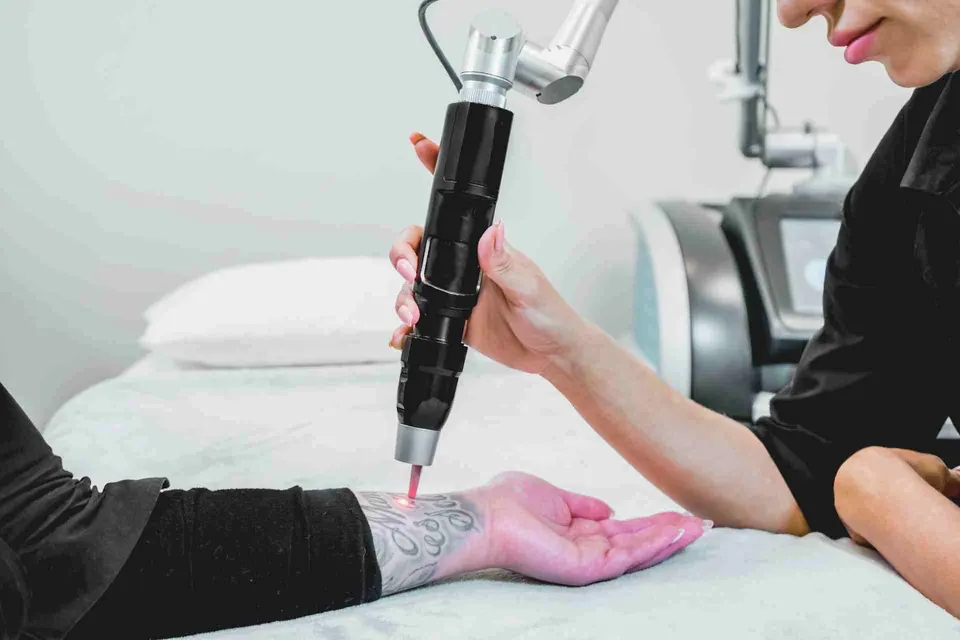
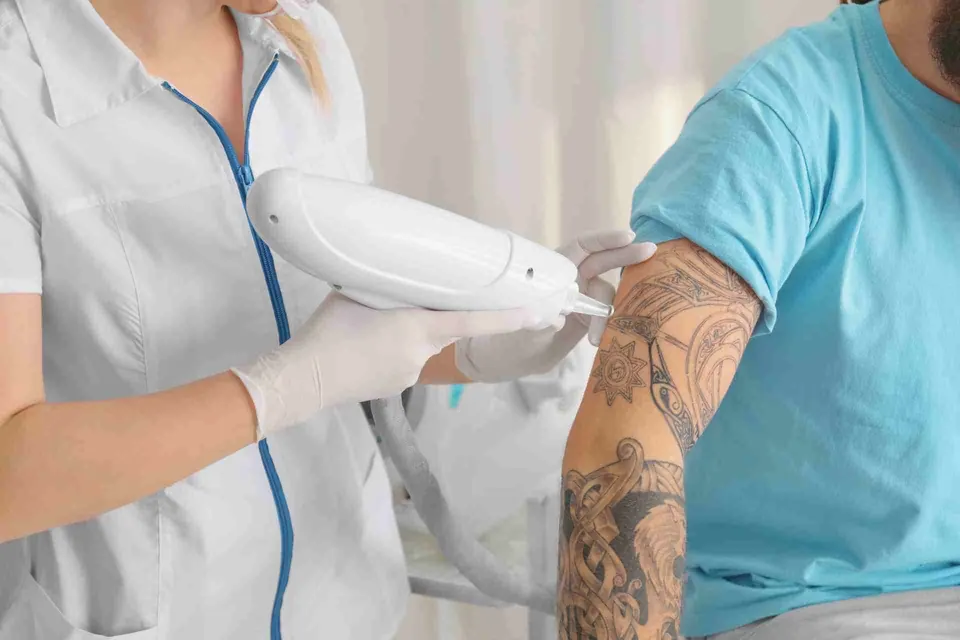
- Laser tattoo removal is FDA-cleared and remains the safest, most effective professional option.
Tattoo removal creams sound like a convenient solution for fading unwanted ink, but what exactly do they contain? These products are typically designed to target the pigments in your skin, aiming to lighten or fade tattoos over time. However, their formulation and effectiveness can vary widely.
While tattoo removal creams may seem like a straightforward option, it’s important to understand their limits and potential risks before trying them.
What Are Tattoo Removal Creams Made Of?
Let’s take a closer look at some of the common ingredients found in these creams and what they actually do.
- Trichloroacetic acid (TCA)
- Hydroquinone
- Kojic acid
- Skin lightening agents
What these ingredients actually do:
- Surface-level exfoliation
- Pigment fading (not removal)
- Risk of burns or skin irritation
Why Tattoo Removal Creams Don’t Really Work
Tattoo removal creams might sound like an easy fix, but they’re not quite what they claim to be. While they’re marketed as simple, pain-free alternatives to professional tattoo removal, the truth is they fall short for several reasons. Most creams fail to deliver real results because they can’t target the ink where it truly resides, and there are significant risks involved in trying them.
Tattoo ink sits in the dermis, not the outer skin layer. This is why tattoos are permanent and long-lasting. Creams, however, only penetrate the epidermis (the surface layer of your skin). They simply cannot reach deep enough to effectively break down the ink particles responsible for your tattoo’s design.
There is currently no FDA-approved tattoo removal cream on the market. While some over-the-counter products may claim to fade tattoos, studies have shown minimal to no effectiveness, especially on professional tattoos created with high-quality ink and techniques. Without solid clinical evidence to back these claims, it’s hard to have confidence in their results.
Beyond the lack of effectiveness, tattoo removal creams come with a host of potential side effects, including:
- Chemical burns from harsh ingredients
- Scarring as the skin reacts to the creams’ abrasive properties
- Hyperpigmentation or hypopigmentation, leading to uneven skin tone in the treated area
Unfortunately, these risks can leave your skin looking worse than before, which is why it’s crucial to consider safer, evidence-based options for tattoo removal.
Are Tattoo Creams Safe to Use at Home?
When it comes to tattoo aftercare, many people turn to over-the-counter tattoo creams for convenience. While they can seem like an easy solution, it’s important to understand the potential risks, especially if you’re unsure about your skin’s specific needs.
- Temporary redness might mask deeper irritation lurking beneath the surface.
- Prolonged use can potentially damage healthy tissue, especially with creams containing harsh or unsuitable ingredients.
- There’s no way to customize treatment based on your unique skin type or the age of your tattoo.
- Using these creams unsupervised also comes with an increased chance of allergic reactions due to unknown sensitivities or ingredients.
Better Alternatives: Safe, Proven Tattoo Removal
Modern solutions can remove tattoos with precision and care. Whether your tattoo no longer resonates with you or you’re looking to make space for something new, professional options prioritize both comfort and skin health.
- FDA-cleared for safety and effectiveness
- Targets ink pigments with precision
- Minimal damage to surrounding skin
Not sure whether this fits your recovery?
A straight conversation beats a checkout cart. Bring your questions to a licensed provider who knows the current evidence and the current law.
TL;DR
- Tattoo removal creams are largely ineffective because they can’t reach the deeper layers of skin where tattoo ink resides.
- Most creams use harsh chemicals like TCA or hydroquinone, which can cause burns, scarring, or skin discoloration.
- There are no FDA-approved tattoo removal creams, and clinical evidence supporting their success is minimal at best.
- Laser tattoo removal remains the safest and most effective method, offering targeted results with professional guidance.
While tempting, most tattoo removal creams are not effective and may even cause irritation, scarring, or other skin damage. For safe, visible, and lasting results, laser tattoo removal guided by a licensed professional remains the gold standard.
Frequently asked questions
Do tattoo removal creams actually work?
Most over-the-counter tattoo removal creams do not work as advertised. They may slightly fade the surface of the skin but cannot reach the deeper layers where tattoo ink is stored.
Are tattoo removal creams safe to use at home?
Not always. Many contain harsh chemicals like TCA or hydroquinone, which can cause burns, scarring, or skin discoloration when used improperly.
Why can’t creams remove ink like laser treatments do?
Creams act only on the top layers of skin, while tattoo ink sits deep in the dermis. Laser treatments break down ink particles at that deeper level so your body can safely absorb and remove them.
Is there an FDA-approved tattoo removal cream?
No, there are currently no FDA-approved creams for tattoo removal. Most claims are unregulated and not backed by solid clinical research.
What’s a safer, more effective alternative to tattoo removal creams?
Laser tattoo removal performed by trained professionals is the safest, most effective method.
Can I try a cream before committing to laser removal?
You can, but it’s best to speak with a licensed professional first. Some creams may worsen your skin or make laser treatment more difficult later. A consultation can help you make the safest, most informed decision.

About the author