Key highlights
- Tattoo ink is deposited in the dermis, the skin’s middle layer, which is why tattoos are permanent unless actively treated.
- Laser tattoo removal breaks down ink particles with targeted light so the immune system can flush them out over time.
- Most people need 5-10 laser sessions spaced several weeks apart, depending on tattoo size, color, and age.
- Surgical excision can work for small tattoos, while dermabrasion is an older, less precise, higher-risk method.
- Tattoo removal creams and DIY kits are not a safe or effective solution and are best avoided.
Tattoos are often deeply personal, but people’s lives and preferences change. What once held significant meaning or represented something important may no longer align with their current identity, lifestyle, or aspirations. Tattoo removal has become a popular option for those looking to make a fresh start, whether for professional, personal, or aesthetic reasons.
Removing a tattoo is about more than erasing ink. It’s about creating space for growth, empowerment, and confidence in your own skin.
Why People Choose to Remove Tattoos
- Aesthetic preferences - Over time, personal style evolves. A tattoo that once felt trendy or meaningful might not align with your current tastes.
- Poor quality or outdated design - Not all tattoos age gracefully. Fading, stretching, or outdated designs can lead to dissatisfaction over time.
- Career changes - Certain industries or workplaces may have strict policies regarding visible tattoos, or individuals may feel their tattoo doesn’t reflect a professional image.
- Relationship updates - Tattoos tied to past relationships, such as names or anniversary dates, can feel like a lingering reminder that no longer fits your life.
Emotional and confidence factors also play a role: reclaiming body image, empowering self-expression, and removing past associations that no longer serve your well-being.
Understanding Tattoo Removal: How It Works
When you get a tattoo, the ink is deposited into the dermis, the middle layer of your skin. This layer is more stable than the outer layer, the epidermis, which constantly regenerates. By placing the ink in the dermis, the tattoo becomes permanent and remains vibrant over time.
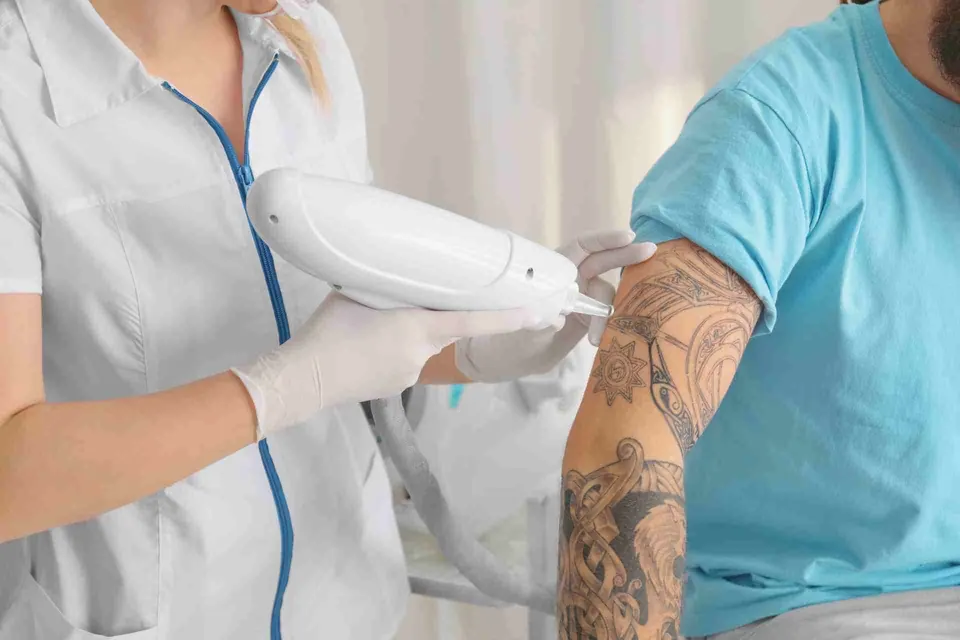
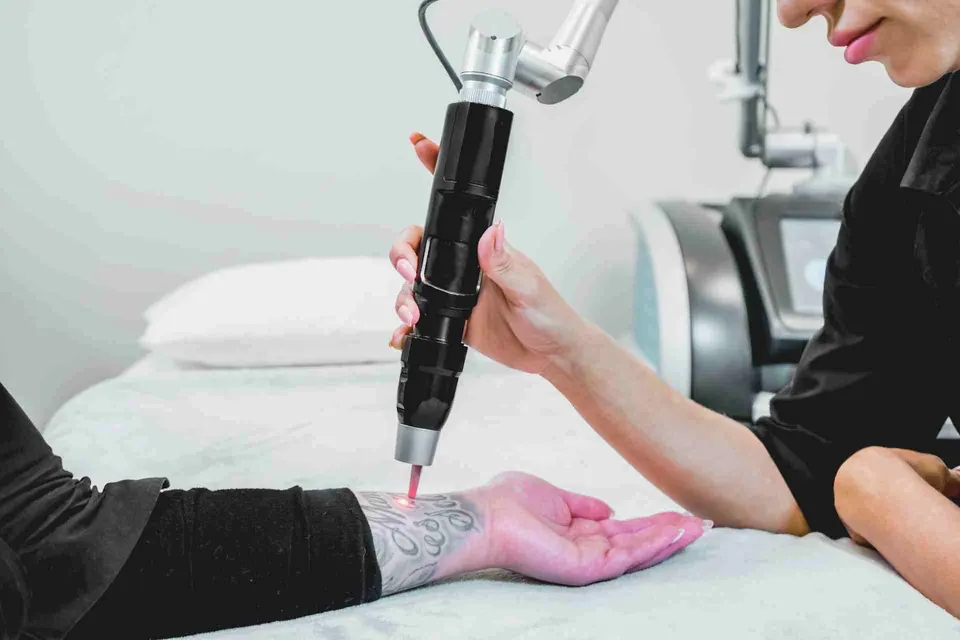
Tattoo removal works by breaking down the ink trapped in the dermis using laser technology. Lasers emit pulses of light at specific wavelengths that are absorbed by the tattoo ink. This process causes the ink particles to break into tiny fragments. Once the pigment is fragmented, your body’s immune system steps in to naturally flush out these smaller particles over time.
- Precision targeting - Lasers are designed to only target tattoo pigment, leaving the surrounding skin unharmed.
- Multiple sessions - Larger or more complex tattoos may require several sessions to fully fade.
- Your body’s healing - The removal process relies on your body’s lymphatic system to gradually eliminate the ink particles.
Most Effective Options Available
Laser Tattoo Removal (Most Common and Preferred): Laser tattoo removal is the gold standard for getting rid of unwanted tattoos. Common laser options include PicoSure and Q-switched lasers, both highly effective and safe for tattoo removal. Most people need between 6 to 10 sessions spaced a few weeks apart, with sessions lasting 15-30 minutes. Black ink is the easiest to remove, while yellows and greens may require more specialized approaches.
Surgical Tattoo Removal (For Small Tattoos): For small tattoos, surgical removal can be a simple and definitive solution. This method involves excising the tattooed skin and stitching the area closed, leaving a small scar. A dermatologist numbs the area, surgically removes the tattoo, and closes the incision with sutures in a one-time procedure. It’s best for very small tattoos or situations where lasers aren’t effective, such as allergic reactions to tattoo ink or deeply embedded pigments.
Dermabrasion (Less Common Today): Dermabrasion works by sanding down the skin to remove layers containing the tattoo ink, using a high-speed abrasive device with local anesthesia and post-procedure downtime. It’s less expensive than lasers but comes with more significant risks, including pain, scarring, and a longer recovery period, and is less precise for modern tattoo inks.
Tattoo Removal Creams and DIY Methods (What to Avoid): Removal creams often contain harsh chemicals that can irritate your skin or even cause burns, while doing little to no actual ink removal. Always consult a qualified professional for tattoo removal rather than relying on creams or DIY kits.
What’s the Best Option for You?
Choosing the right tattoo removal option depends on several factors unique to you.
- Tattoo age, size, and ink colors - Older tattoos or smaller designs may require fewer sessions, while colorful or dense ink can be more challenging to remove.
- Skin type and sensitivity - Your skin type plays a big role in selecting the right treatment.
- Personal goals and expectations - Are you aiming for complete removal, or are you looking to fade the tattoo enough for a cover-up?
Not sure whether this fits your recovery?
A straight conversation beats a checkout cart. Bring your questions to a licensed provider who knows the current evidence and the current law.
TL;DR
- There are several tattoo removal methods, with laser removal being the most advanced and widely used today.
- Tattoo removal effectiveness depends on factors like tattoo size, ink color, age, skin type, and how your body heals.
- Laser tattoo removal is safe and effective when performed by trained professionals using modern technology.
- Alternative methods like surgical excision and dermabrasion exist but are typically reserved for specific cases.
- Proper aftercare and professional guidance are essential to avoid complications like scarring or pigmentation changes.
Making the decision to remove a tattoo can feel like a big step, but with modern techniques, almost any tattoo can be addressed safely and effectively with the right professional guidance.
Frequently asked questions
Is laser tattoo removal painful?
Most people describe the sensation as similar to a rubber band snapping against the skin. Techniques are available to help minimize discomfort and keep you comfortable during treatment.
How many sessions will I need to fully remove my tattoo?
It depends on the tattoo’s size, color, age, and placement. Most clients need 5-10 sessions, spaced several weeks apart for safe fading and healing.
Can all tattoo colors be removed with laser?
Yes, but some colors respond better than others. Black ink is the easiest to remove, while greens, blues, and yellows may take more time and specialized lasers.
Will tattoo removal leave a scar?
When performed by trained professionals using modern equipment, the risk of scarring is very low. Proper aftercare also plays a big role in healing well.
How soon can I start the tattoo removal process?
As long as your skin is healthy and the tattoo is fully healed (at least 6-8 weeks old), you can begin treatments right away following a consultation.
Is laser tattoo removal safe for all skin types?
Yes. With the right technology and experienced providers, a wide range of skin tones can be safely treated while minimizing risks like pigmentation changes.

About the author