Key highlights
- Laser tattoo removal breaks ink into tiny fragments that the body’s immune system flushes out naturally.
- Different wavelengths target different ink colors - dark inks like black and blue respond faster than green or yellow.
- Q-switched lasers are a trusted older option, while PicoSure and PicoWay use picosecond technology for finer ink breakdown and less heat damage.
- The best laser depends on your unique skin tone, ink colors, tattoo size, and removal goals.
- Most people need 5-10 sessions, spaced several weeks apart, with generally mild and temporary side effects.
It’s common to feel uncertain about the tattoo removal process, especially when it comes to questions like whether it’s safe, how much it hurts, how many sessions you’ll need, and what it costs.
With modern tattoo removal technology, you don’t have to sacrifice your comfort or safety to achieve the results you want. Today’s laser systems are more precise and gentle than ever, providing real hope without harsh side effects.
How Do Tattoo Removal Lasers Work?
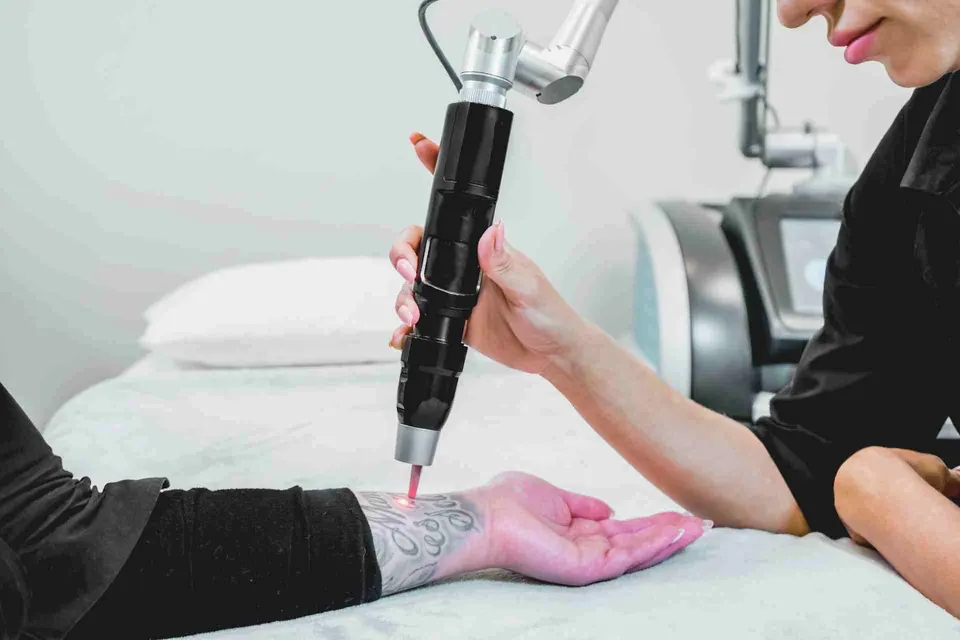
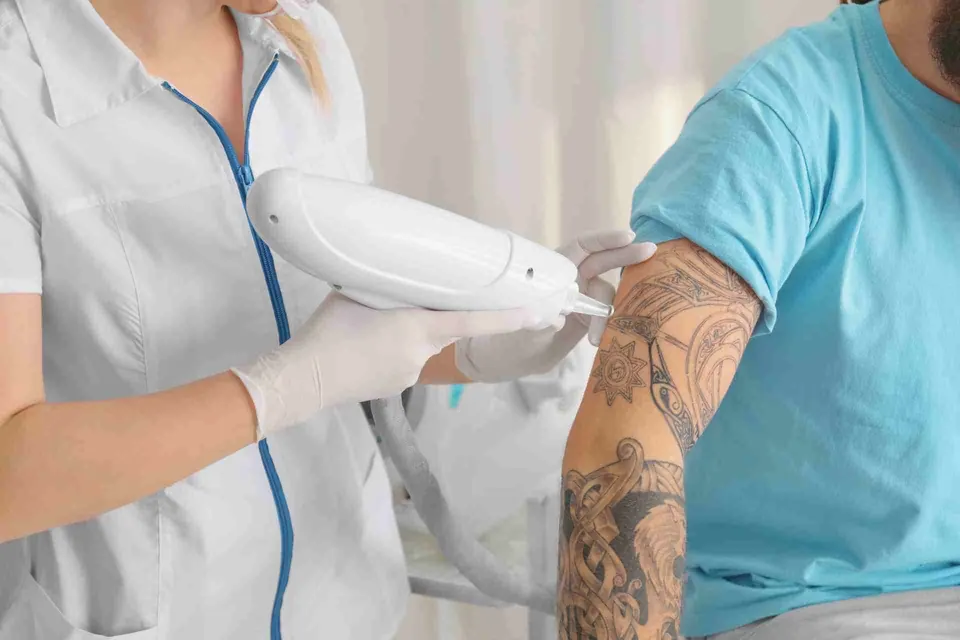
Laser tattoo removal works by breaking down ink particles into tiny fragments. These fragments are then naturally flushed out by the body’s immune system over time. Each session gradually fades the tattoo, leaving the surrounding skin intact and unharmed.
Not all lasers are created equal when it comes to removing tattoos. Different wavelengths are needed to target various ink colors effectively. Dark inks like black or blue often respond faster than colors like green or yellow. Additionally, factors like pulse speed and energy delivery impact both the precision of the treatment and the comfort of the patient.
Older laser technologies, such as Q-switched lasers, are still used today, but newer advancements tend to yield quicker and more effective results.
Comparing the Top Tattoo Removal Lasers
Q-Switched Lasers have been a trusted choice for tattoo removal for years. These lasers work especially well for removing black ink tattoos, as black ink absorbs the laser’s energy more effectively. However, they tend to work more slowly on colored tattoos and may require more sessions to achieve full removal.
PicoSure® is recognized for its ultra-short pulse technology in the picosecond range. This advanced laser breaks ink into finer particles, making it more efficient at targeting stubborn colors like blues and greens. Its design also produces less heat, which reduces the risk of scarring or hyperpigmentation.
PicoWay® offers remarkable precision for tattoo removal, similar to PicoSure®. It’s particularly versatile in treating multi-colored tattoos while being a great option for individuals with varying skin tones.
What Makes a Laser “The Best”?
- Speed of results: The number of sessions needed to see noticeable fading or full removal is a critical measure of a laser’s effectiveness.
- Comfort level during treatment: Modern lasers are designed to minimize discomfort, with advanced cooling systems and technology that reduces pain.
- Ability to treat all ink colors: The best lasers use multiple wavelengths to effectively target every shade.
- Safe for various skin types: A top-tier laser system must accommodate a wide range of skin tones without increasing the risk of scarring or pigmentation changes.
- Minimal downtime or side effects: Recovery should be quick and manageable, with side effects like redness or swelling kept to a minimum.
A skilled provider carefully considers your unique skin tone, ink colors, tattoo size, and removal goals to pair you with the most effective laser.
Is Laser Tattoo Removal Painful?
Many patients describe the sensation of laser tattoo removal as feeling like a quick snap of a rubber band against the skin. Numbing options are available to enhance comfort, and treatments are typically fast and efficient, often lasting less than 20 minutes depending on the size and complexity of the tattoo.
How Many Sessions Will I Need?
The number of sessions you’ll need depends on several factors, like tattoo size, color, depth, your skin type, and the age of the ink. Most people typically require 5-10 sessions, with each one spaced several weeks apart to allow proper healing.
What to Expect After Treatment
- Keep the treated area clean and dry to reduce the risk of infection.
- Avoid direct sun exposure while your skin heals.
- Follow any additional instructions from your provider to ensure a smoother recovery and optimal fading.
Side effects are common but usually mild, including redness or slight irritation, swelling that reduces within a few days, and light blistering as part of the normal healing process.
Not sure whether this fits your recovery?
A straight conversation beats a checkout cart. Bring your questions to a licensed provider who knows the current evidence and the current law.
TL;DR
- PicoSure® and PicoWay® are currently the most advanced and effective tattoo removal lasers, offering faster results, fewer sessions, and better outcomes for all skin tones.
- Picosecond lasers outperform older lasers by breaking down ink into smaller particles, making removal more efficient and less painful.
- The right laser depends on your tattoo’s size, color, depth, and your unique skin type, which is why personalized treatment is essential.
- Most tattoos require between 5 to 10 sessions, with visible fading after each treatment and minimal side effects when proper aftercare is followed.
You don’t have to live with unwanted ink forever. With the right care and modern technology, achieving clear skin is possible.
Frequently asked questions
Is laser tattoo removal safe for all skin tones?
Yes, when done with the right technology. Picosecond lasers like PicoWay® are designed to work safely on a wide range of skin types and tones, minimizing risks like hyperpigmentation or scarring.
Does tattoo removal hurt?
Most people say it feels like a rubber band snapping against the skin. Numbing options are available to make the process as comfortable as possible.
How many sessions does laser tattoo removal take?
Most tattoos need 5 to 10 sessions, depending on size, color, ink depth, and your body’s response. A personalized treatment plan is created during your consultation.
Can all colors be removed with laser treatment?
Yes. Modern lasers can remove even bright or stubborn colors like green, blue, and red. Picosecond lasers are especially effective for treating multi-colored tattoos.
What should I do after a tattoo removal session?
Keep the area clean, moisturized, and protected from the sun. Avoid hot tubs, saunas, and direct sun exposure while healing, and follow your provider’s step-by-step aftercare instructions.

About the author