Key highlights
- The first week on semaglutide is a gentle start. Your body is adjusting, and that’s normal.
- You may notice reduced appetite, mild digestive changes, or some fatigue.
- Significant weight loss usually doesn’t happen right away, but early changes matter.
- Staying hydrated, eating smaller meals, and moving gently can ease side effects.
- Consistency is key. Your weekly dose builds momentum over time.
- Everyone’s journey looks a little different, and that’s okay.
Starting semaglutide can feel like a big step, but knowing what to expect makes a big difference. In the first week, you’re likely to notice a few small shifts: your appetite decreases, meals feel more filling, and your energy dips just a bit.
These are common and expected. Some people feel mild nausea or digestive changes. Others don’t notice much at all right away. And that’s okay. Semaglutide is designed to work gradually. It’s not a quick fix but a tool to help your body rebalance over time. Most people won’t see major weight loss in week one, and that doesn’t mean it isn’t working.
What Is Semaglutide and Why Is It Used for Weight Loss?
Semaglutide is a type of medication called a GLP-1 receptor agonist. That’s a fancy way of saying it mimics a natural hormone in your body that helps control blood sugar, appetite, and digestion.
It was originally developed to treat type 2 diabetes, but doctors quickly noticed something interesting: patients were losing weight, too. That’s because semaglutide helps you feel full sooner and stay full longer. It also reduces cravings, especially for high-carb or high-fat foods.
Today, semaglutide is FDA-approved under the brand name Wegovy for weight management. Ozempic is often prescribed off-label for patients struggling with weight loss. More people are choosing semaglutide as part of a non-surgical, medically supervised approach to weight loss.
How Fast Does Semaglutide Work for Weight Loss?
Everyone wants to know: when will I start seeing results? It’s a fair question. When you commit to something new, especially something like a weekly injection, it’s natural to hope for quick changes. But semaglutide works a little differently. It’s steady and strategic, not instant.
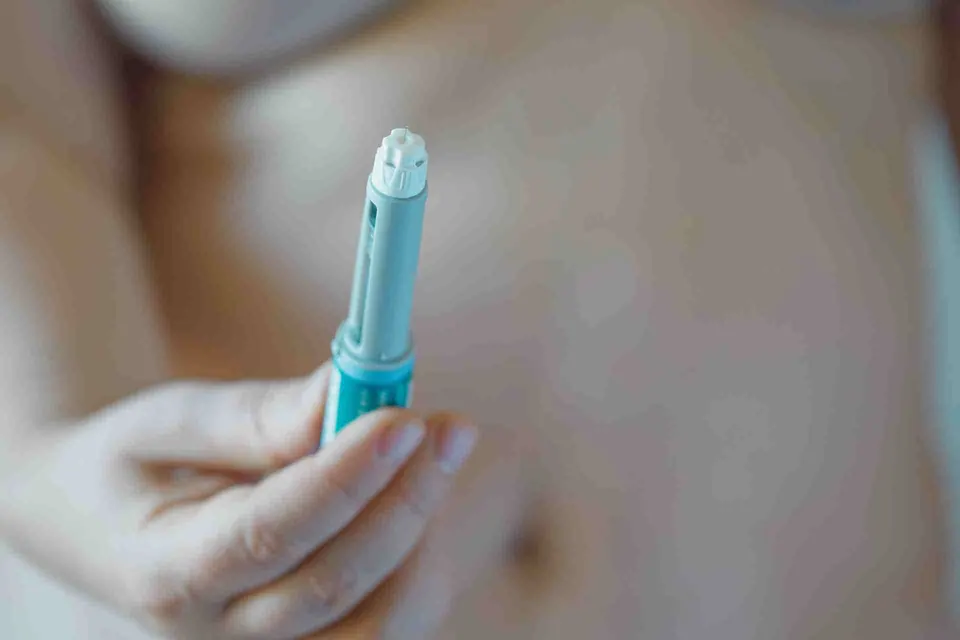
Weeks 1 to 4: Early semaglutide effects. During the first few weeks, the dose is intentionally low, usually just 0.25 mg once a week. This helps your body adjust slowly and reduces the risk of side effects.
- A smaller appetite
- Feeling full more quickly
- A bit of nausea, bloating, or fatigue (these are common and often temporary)
Some people lose a couple of pounds in this phase, mainly from reduced food intake or water loss. Others don’t see the scale move yet. And that’s okay. Not losing weight in the first week doesn’t mean semaglutide isn’t working.
Weeks 5 to 20: Dose increases and steady weight loss. After the first few weeks, your provider will typically increase your dose little by little. This step-up approach helps your body continue adapting while minimizing side effects. Once you reach a therapeutic dose (often around 1.7 to 2.4 mg), most people start seeing more noticeable and consistent weight loss. You may find that cravings are easier to manage, your portions naturally shrink, and you feel more in control of your eating habits. But remember: semaglutide works best when paired with healthy habits.
After 20 weeks: Long-term weight loss and health benefits. By this point, semaglutide has had time to settle into your system, and so have your new habits. Weight loss tends to continue, though usually at a slower, steadier pace. What many people notice now goes beyond the number on the scale: better energy and focus, improved blood sugar or cholesterol levels, and more confidence in daily choices. It’s less about dieting and more about long-term health.
How Semaglutide Works in the Body
Understanding how semaglutide works can help you feel more confident in your treatment. It’s working with your body’s natural systems to help you feel full, regulate blood sugar, and reduce overeating.
How semaglutide reduces appetite. Semaglutide mimics a hormone your body already makes called GLP-1. This hormone plays a big role in how full you feel after meals. GLP-1 works if taken with your first meal, helping you eat a smaller portion during that meal without changing the time between meals or how much you eat overall. That means you may feel satisfied sooner without needing to snack as much between meals.
How semaglutide slows digestion. Semaglutide also slows down how quickly food leaves your stomach. This helps you stay fuller for longer. It’s one reason many patients naturally reduce their portion sizes without feeling deprived.
How GLP-1 supports blood sugar and appetite control. GLP-1 is what we call an incretin hormone. It signals your pancreas to release insulin after meals, which helps manage blood sugar levels. Balanced blood sugar makes it easier to avoid energy crashes and cravings, and supports fat metabolism over time.
What Affects How Fast You Lose Weight on Semaglutide?
Not everyone sees the same results at the same pace. And that’s completely normal. There are a few key factors that can influence how quickly semaglutide starts to work for you.
Your metabolism and response to semaglutide. Metabolism is your body’s internal engine. It controls how quickly you burn calories, store fat, and process food. Some people have naturally faster metabolisms, while others may be slower due to age, hormone shifts, or genetics. If it feels like things are moving slowly, don’t panic. That doesn’t mean the medication isn’t effective. It may just be taking a bit longer to build up in your system.
Staying consistent with your weekly dose. Consistency really matters with semaglutide. Taking your injection on the same day each week helps keep the medication working steadily in your system. If you skip doses or delay them too often, it can interrupt your progress and make it harder to see results. Each dose builds on the last. The more consistent you are, the more your body can respond and adapt.
Lifestyle habits that support semaglutide weight loss. Semaglutide is a powerful tool, but it’s just one part of the bigger picture. What you eat, how you move, and how you sleep all work together to support your weight loss and overall health. Choosing balanced meals, staying active, and managing stress can make a big difference in how your body responds to the medication. As Dr. Caballero explains, “It is paramount to remember that all weight-loss medications are recommended as an aid in the overall strategy that centers around a healthy meal plan and regular physical activity.”
Tips for a Successful First Week on Semaglutide
The first week is your body’s adjustment period. These simple tips can help you feel more comfortable and set you up for success.
- Eat smaller, balanced meals. Stick to foods that are easy to digest, think lean proteins, steamed veggies, and whole grains. Avoid greasy or spicy foods that may trigger nausea.
- Stay well-hydrated. Sip water throughout the day. Hydration can help ease fatigue and support digestion.
- Move your body gently. A short walk after meals can help reduce bloating and support your metabolism without overexerting yourself.
- Rest when needed. Feeling a little tired or off? That’s normal. Let your body take the time it needs to adapt.
- Be patient with yourself. You may not see changes on the scale right away. Trust the process, it’s working behind the scenes.
- Reach out if something feels off. Don’t hesitate to contact your provider if you have questions or concerns.
When to Contact Your Provider During the First Week of Semaglutide
Most people experience only mild side effects during the first week. But it’s important to know when to check in with your care team. If something doesn’t feel right, you don’t have to wait it out alone.
- Concerns about dosage or side effects. If something feels off, even if it’s minor, let your provider know. Adjustments are part of the process.
- Persistent or severe nausea or vomiting. Occasional queasiness is normal, but if you can’t keep food or fluids down, call your provider.
- Signs of dehydration. Dry mouth, dizziness, headache, or dark urine can signal that you’re not getting enough fluids.
- Unusual fatigue or weakness. A little tiredness is common, but extreme fatigue may be worth discussing.
- Any allergic reactions. If you experience rash, itching, swelling, or difficulty breathing, seek immediate attention.
Not sure whether this fits your recovery?
A straight conversation beats a checkout cart. Bring your questions to a licensed provider who knows the current evidence and the current law.
TL;DR
- The first week on semaglutide is a gentle start. Your body is adjusting, and that’s normal.
- You may notice reduced appetite, mild digestive changes, or some fatigue.
- Significant weight loss usually doesn’t happen right away, but early changes matter.
- Staying hydrated, eating smaller meals, and moving gently can ease side effects.
- Consistency is key. Your weekly dose builds momentum over time.
- Everyone’s journey looks a little different, and that’s okay.
If you’re curious about starting semaglutide, or if you’ve just taken that first step, a personalized, relationship-driven approach to care means you’ll always have expert support and a plan tailored to you.
Frequently asked questions
What happens in the first week of semaglutide?
Most people experience reduced appetite, mild digestive changes like nausea or bloating, and sometimes a little fatigue. These early effects are usually your body adjusting to the medication.
Is it normal not to lose weight in the first week on semaglutide?
Yes, absolutely. Weight loss often starts gradually. Some people may lose a few pounds early on, while others take a few weeks to see changes on the scale.
What to expect in the first week on Ozempic?
Ozempic, like semaglutide, may cause appetite suppression and a feeling of fullness after smaller meals. Some users notice side effects like nausea or gas, which typically improve over time.
How fast does it take for semaglutide to kick in?
Most people begin to notice appetite changes within 1 to 2 weeks. Visible weight loss often follows between weeks 3 and 6, depending on metabolism and lifestyle.
Are the side effects permanent?
No. Side effects like nausea, bloating, or diarrhea are usually temporary. Most resolve as your body gets used to the medication.
Can I adjust the dosage if I experience side effects?
Any dose changes should always be made with your provider’s guidance. Don’t adjust on your own. There are safer ways to manage symptoms while staying on track.
Is it necessary to follow a specific diet during treatment?
There’s no one-size-fits-all diet, but eating balanced meals and avoiding greasy or trigger foods can help you feel better and support weight loss.

About the author